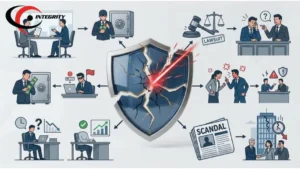
Due Diligence In Indonesia: Definition, Types, Process, And Red Flags

Due diligence is the process of thoroughly checking and verifying a company, individual, or asset before signing a contract, making an investment, or entering into a business relationship. In simple terms, it means checking the facts before making an important business decision. The goal is to make decisions based on verified information, not assumptions.
What Is Due Diligence? (Definition And Purpose)
The term due diligence refers to the level of care and attention expected before making an important decision.
Companies typically conduct due diligence when selecting vendors or suppliers, making investments, forming strategic partnerships, pursuing mergers and acquisitions (M&A), or purchasing assets or businesses. The goal is to identify legal, financial, operational, and reputational risks before they lead to costly problems.
In short, companies conduct due diligence before they:
- Select vendors or suppliers
- Make investments
- Enter strategic partnerships
- Pursue mergers and acquisitions (M&A)
- Purchase assets or acquire businesses
The main purpose is simple: to avoid making decisions based on assumptions. Incorrect assumptions can lead to significant financial losses and other business risks.
Why Is Due Diligence Important?
In 2017, the Paradise Papers leak revealed how complex and opaque ownership structures could conceal financial arrangements and potentially risky parties. The case highlighted an important lesson: due diligence is not just a formality. It is a key safeguard for businesses.
Here are the main benefits of due diligence:
- Identify red flags early: Detect potential issues such as lawsuits, unclear ownership, missing business permits, or links to high-risk parties.
- Prevent fraud and money laundering: Identify warning signs such as fictitious vendors, inflated prices, shell companies, and suspicious bank accounts before transactions take place.
- Make informed decisions: Use verified documents and evidence instead of relying on informal recommendations or unverified claims.
- Protect your reputation: Working with a problematic business partner can trigger public scrutiny and damage stakeholder trust.
- Demonstrate compliance: Documented due diligence helps support audits and good corporate governance (GCG).
When Should Due Diligence Be Conducted?
Companies should conduct due diligence at key decision points, especially when a business relationship involves significant risks.
- Before selecting vendors that handle company funds, sensitive data, system access, or high-value procurement.
- Before acquisitions, mergers, or investments. Due diligence is particularly important because these transactions can be difficult and costly to reverse once completed.
- Before appointing business partners or forming joint ventures. Reviewing a potential partner helps identify risks before the relationship begins.
- When red flags emerge in an existing business relationship. New information or changes in a partner’s circumstances may require further checks.
What Are the Benefits Of Due Diligence?
Due diligence offers practical benefits, especially for compliance and HR teams. These teams often play a key role in identifying risks before a company signs a contract or enters a business relationship.
1. Helps Companies Identify Risks Early
Due diligence helps companies detect potential red flags before they become bigger problems, such as:
- Ongoing or past lawsuits
- Unclear company ownership
- Business permit violations
- Links to high-risk individuals or entities
- Certain payment defaults or outstanding debts, where relevant
2. Strengthens Corporate Credibility And Compliance
Companies that consistently assess risks demonstrate their commitment to:
- Regulatory compliance
- Good corporate governance (GCG)
- Structured and transparent decision-making
These practices help build trust with business partners and support the company during audits.
3. Reduces The Risk Of Fraud And Money Laundering
Fraud can enter a business through third parties. Common warning signs include:
- Fictitious vendors
- Inflated prices
- Shell companies
- Payments to suspicious bank accounts
Verifying third parties before transactions take place helps companies identify these warning signs and reduce their exposure to fraud and money laundering risks.
4. Supports Better Business Decisions
Without due diligence, teams may rely on informal recommendations, personal relationships, or unverified claims that a business partner is trustworthy.
A proper due diligence process gives decision-makers access to verified data, supporting documents, and evidence. This helps them make more informed business decisions.
5. Protects Corporate Reputation
A company’s reputation is a valuable business asset. Working with a problematic vendor or business partner can lead to:
- Negative public attention
- Public relations crises
- Loss of stakeholder trust
Due diligence helps companies identify potential risks before they damage business relationships or public confidence.
When Should Due Diligence Be Conducted?
Companies should conduct due diligence before working with new vendors or business partners, signing major contracts, making investments, or pursuing mergers and acquisitions (M&A). In practice, due diligence is particularly important in the following situations.
1. Before Selecting A New Vendor Or Supplier
Due diligence is especially important when a vendor:
- Handles company funds
- Processes or manages company data
- Has access to internal systems
- Manages high-value procurement
Checking these vendors helps companies understand potential risks before granting access or committing resources.
2. Before Mergers, Acquisitions, Or Investments
Due diligence is essential before mergers, acquisitions, or major investments. These transactions can involve significant financial, legal, and operational risks. They can also be difficult and costly to reverse once completed.
A thorough review helps companies assess the risks and make informed decisions before committing to a transaction.
3. Before Appointing A Business Partner Or Forming A Joint Venture
Choosing the wrong business partner can create long-term risks that are difficult to resolve, even if the company later terminates the contract.
Types Of Due Diligence
| Type | What Is Reviewed | Common Use Cases |
|---|---|---|
| Legal due diligence | Legal status, permits, contracts, potential disputes | M&A, partnerships |
| Financial due diligence | Financial statements, cash flow, debt, liabilities | Investments, acquisitions |
| Tax due diligence | Tax compliance, outstanding tax liabilities, aggressive tax structures | Acquisitions |
| Operational due diligence | Business processes, systems, workforce, vendor network | Acquisitions, restructuring |
| Commercial due diligence | Market position, prospects, competitors | Investments, expansion |
| Environmental due diligence | Environmental permits and compliance | Industries with environmental impacts |
| Reputational due diligence | Track record, media coverage, fraud or corruption allegations, related parties | Business partners, vendors |
| Vendor due diligence | Identity, beneficial ownership, sanctions, PEPs, fraud and anti-money laundering (AML) risks | Vendor onboarding |
| Customer due diligence (CDD) | Customer identity and risk profile | Financial institutions, capital markets, regulated businesses |
Need to verify a vendor or potential business partner? Learn more about Integrity Indonesia’s due diligence services in Indonesia.
Due Diligence Process: 6 Steps
- Define the objectives and scope. Identify the transaction, the main risks to assess, and the type of due diligence required.
- Collect documents and data. Gather company registration documents, ownership structures, financial statements, contracts, and permits. Supplement these with compliance questionnaires for third parties.
- Conduct independent verification. Verify beneficial ownership using corporate records, public sources, and media coverage. Check Politically Exposed Person (PEP) status and global sanctions lists. If necessary, conduct site visits and interview relevant sources.
- Assess risks and red flags. Evaluate each finding based on its severity and relevance to the transaction.
- Prepare a report. Include an executive summary, risk ratings, evidence-based findings, and recommendations for risk mitigation.
- Make a decision and monitor risks. Decide whether to proceed, proceed with conditions, or withdraw from the transaction. Conduct regular monitoring of existing vendors to identify emerging risks.
Enhanced Due Diligence (EDD): When Standard Checks Are Not Enough
You may wonder, “If standard due diligence is already in place, why do companies need EDD?”
The answer is simple: high-risk situations require more in-depth checks. Enhanced due diligence (EDD) involves additional checks on high-risk individuals or entities. Companies typically conduct EDD when they identify red flags or when a transaction presents higher money laundering and reputational risks.
Companies may need to move from standard due diligence to EDD when a vendor:
- Handles high-value procurement.
- Manages payments.
- Has access to sensitive data.
- Is difficult to verify.
- Has serious negative media coverage.
- Has an unclear ownership structure.
Red Flags To Watch Out For
Watch for these warning signs when assessing a potential business partner or vendor:
- The company is difficult to verify, or its ownership information is unclear.
- The company requests payments to a personal bank account.
- The business address is invalid, or documents are frequently incomplete.
- The company refuses to complete due diligence questionnaires.
- The company has serious negative media coverage.
Found any of these warning signs when assessing a business partner? Consult our team for professional support.
Regulatory And Compliance Requirements In Indonesia
Relevant regulations and standards in Indonesia include Law No. 8 of 2010 on the Prevention and Eradication of Money Laundering, Presidential Regulation No. 13 of 2018 on the Application of the Principle of Recognizing Beneficial Owners of Corporations, and Anti-Money Laundering and Counter-Terrorism Financing (AML/CTF) obligations in the financial services sector.
Companies may also refer to ISO 37001, the Anti-Bribery Management Systems standard, which includes due diligence requirements for relevant third parties.
When Should You Use Professional Due Diligence Services?
Internal teams often rely on documents provided by vendors themselves. Professional due diligence providers add an independent layer of verification through public records, ownership checks, sanctions screening, and site visits when necessary.
They also apply consistent methodologies and quality controls and provide reports with risk ratings to support audits.
Consider using professional due diligence services when a contract involves significant value, a vendor handles payments or sensitive data, or red flags require enhanced due diligence (EDD).
Due Diligence For AML And Money Laundering Prevention
Companies also use due diligence to help prevent:
- Money laundering.
- Terrorist financing.
- High-risk transactions.
In this context, companies typically assess:
- The identity of third parties, potential business partners, and prospective clients.
- The source of funds.
- Transaction patterns.
- Country and industry risks.
Due Diligence Services From Integrity Indonesia
Integrity Indonesia provides due diligence services through Know Your Vendor™, a platform that helps companies manage third-party risk assessments more efficiently at scale.
With Know Your Vendor™, companies can:
- Import vendor data directly into the system.
- Automatically send due diligence questionnaires to third parties.
- Access reports and risk scores with a single click.
By combining technology with expert analysis, Know Your Vendor™ helps streamline due diligence and supports risk-based decision-making, especially when companies need to assess large numbers of vendors at once.
Contact us using the form on the right to learn more about Know Your Vendor™ and our other compliance services.
Image by vecstock on Freepik